 I recently had a comment submitted asking questions about blisters and shoes for walking the Camino de Santiago. And so Vicky, in answering your questions, I decided to include my guidelines for evaluating, planning for and maintaining foot health in the following 4 tips:
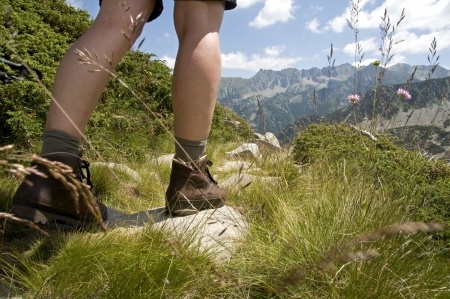
1) Try on and evaluate many boots and buy the best, well-fitted lightweight, waterproof hiking boot/shoe with good ankle support for your foot type. Combine with self-wicking, fast-drying hiking socks. Evaluate socks before you buy your shoes and bring your first choice of socks when you are getting fitted for your boots. When you are buying your boots, ensure your sales help has experience with long distance hiking, and walking in many different terrains. Ask if they have a ramp for testing the uphill, downhill fit / feel of the boot.
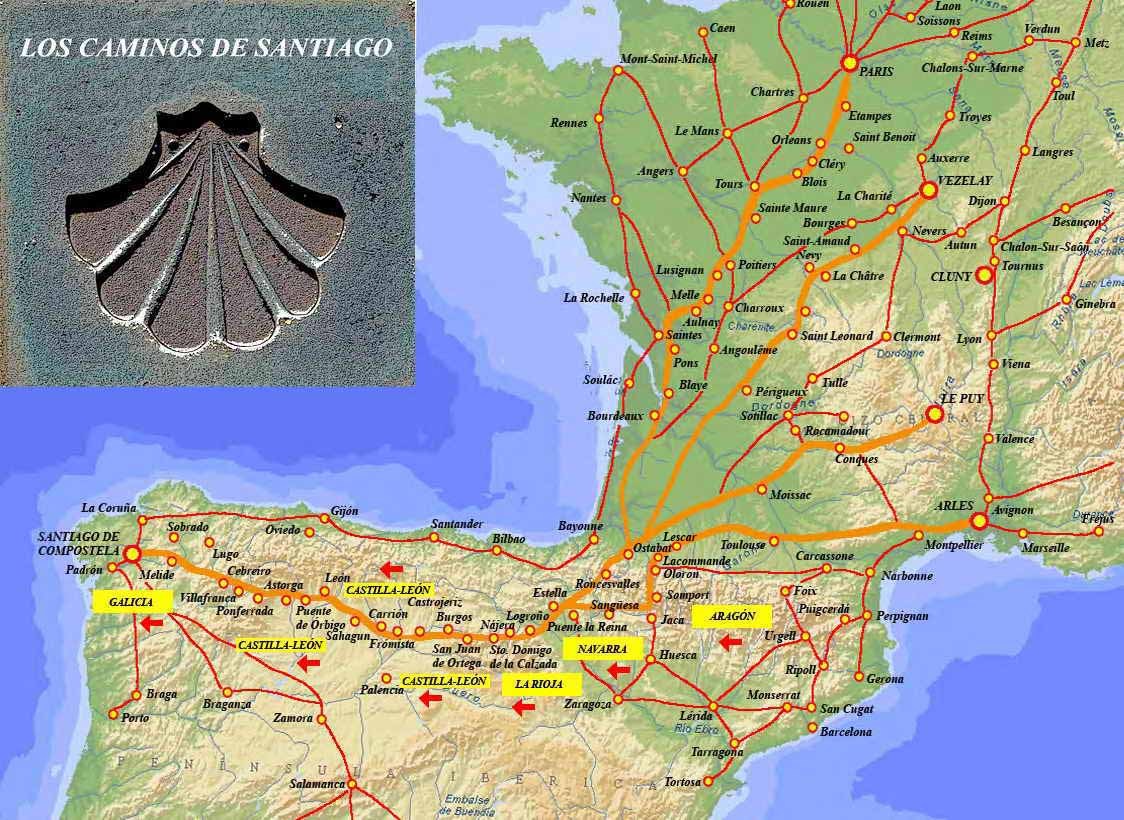
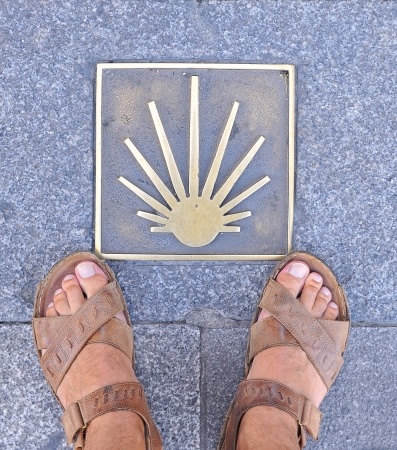 Like Winston Churchill, I don’t like worrying in advance about events or activities. I start with understanding the goals, challenges and expected outcomes and then plan for success. That is the reason I developed a formal training plan for achieving my Camino goal of walking an 800 kilometer route to Santiago de Compostela in 40 days. Here are the 10 Steps I followed in creating and maintaining my training plan:
 At the beginning of June when I made my decision to walk 800 km on the Camino de Santiago in 2014, I had to take an honest look at the fitness and training involved to complete the walk. Things like: